If you’re exploring how to start a residential assisted living home (RAL home), you’re not alone. With over 10,000 Baby Boomers turning 65 every day, the demand for senior housing continues to surge. But here’s what most people miss: this isn’t just a caregiving opportunity. It’s a serious business opportunity.
A lot of people looking into assisted living as a business get stuck on the idea that they’ll have to personally care for seniors every day.
That’s simply not true.
While some owners might choose to be hands-on, most hire compassionate, skilled caregivers to handle the day-to-day relational work. Your role as the business owner is to build and manage the operation: hire great people, oversee financials, ensure compliance, and grow your asset.
You’re not signing up for a job, you’re building a business that runs with or without you.
And the best part is, if there are any responsibilities you’d rather not manage, you can hire those areas to people who not only can manage them, but love to manage them!
When done right, one single-family home can generate $5k, 10k, even $15k/month in positive cash flow.
This is fundamentally different than Airbnb, fix and flips, or even renting a home to a single family.
For instance, when you rent out a house to a single family, your income is capped by local market comps. But in a RAL home, you’re not limited to one rent check. You can have multiple paying residents under one roof.
What’s more, you can increase monthly revenue by adding new services to your home or raising your standards of care and amenities. RAL is a business model built for scalability, not limitation.
In this guide, you’ll get a clear, actionable path to launching your own RAL home with confidence, compliance, and profitability in mind.
Quick Answer: How to Start an Assisted Living Home
Want the fast-track version? Here it is.
There are seven essential steps to launching a successful, profitable RAL home. Skip one, and you risk hitting delays, compliance issues, or empty beds. Nail them, and you’re on your way to a thriving business.
- Create a business plan with realistic financial projections — Know your numbers before you spend a dime.
- Form a legal entity and register for taxes — protect yourself and get your business structure in place.
- Understand and meet your state’s licensing requirements — Don’t guess! Get licensed the right way.
- Secure or renovate a home for compliance — Your location and setup matter more than you think. At its core, residential assisted living is a real estate deal that delivers monthly cash flow.
- Hire and train qualified caregivers and managers — This is a people business. Get the right team.
- Build a brand and marketing plan that drives occupancy — If you don’t market, you won’t fill beds.
- Use systems to run your home efficiently and profitably — Set it up to scale, not stall.
Let’s break down each of these in detail so you can do it right the first time.
Why Residential Assisted Living Is a Smart Investment
Senior housing isn’t just a growing industry—it’s a necessity. Baby Boomers retirement will create explosive demand for high-quality care options.
Millions of families are searching for senior housing that actually feels like home—places filled with natural light, cozy furniture, personalized rooms, and kitchens that smell like dinner, not disinfectant. They want spaces that feel familiar and comforting, not like sterile institutions. Traditional large facilities, with their long hallways, fluorescent lights, and hospital-like feel, often come across more like a temporary stop than a place to live. RAL homes stand out because they provide the kind of real, lived-in environment that seniors naturally prefer.
RAL homes offer a better alternative. They provide personalized care in a comfortable environment—and studies show that seniors overwhelmingly prefer the warmth, quiet, and familiarity of a home over an institutional setting (AARP 2021 Home and Community Preferences Survey) an institutional setting. That preference gives RAL homes an inherent edge in the marketplace.
When run strategically, these homes can generate substantial monthly cash flow for the owner—and provide a warm, welcoming, homey, and dignified environment for seniors.
This is your opportunity to do good and do well.
What Is a Residential Assisted Living Home?
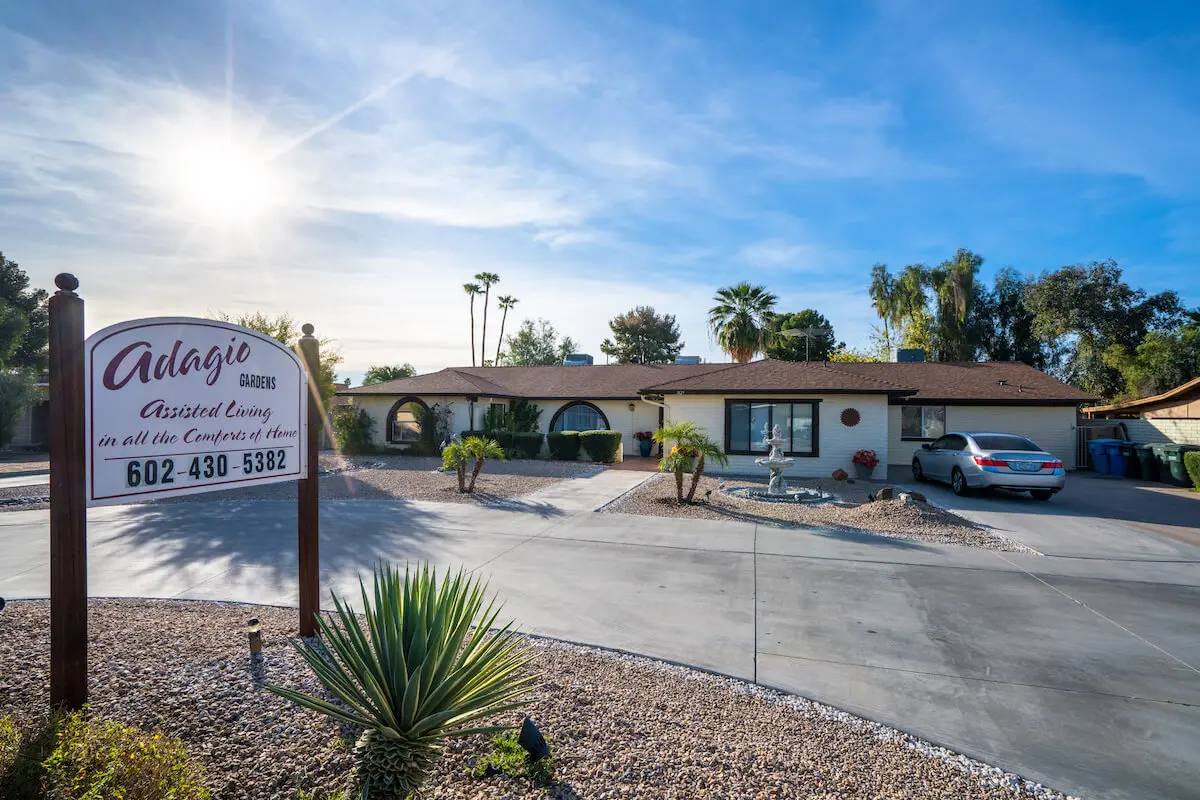
At its core, a residential assisted living (RAL) home is a property—either a single-family house that has been thoughtfully converted or a new-build designed from the ground up—that’s licensed to care for seniors who need support with day-to-day life—things like bathing, dressing, eating, medication management, and mobility.
But it’s not just about services—it’s about setting. Unlike large institutional facilities that feel like medical centers or dormitories, RAL homes typically serve 6 to 16 residents in a warm, peaceful, and dignified environment. Residents enjoy private or semi-private bedrooms, shared family-style meals, cozy living spaces, and individualized attention from caregivers who know their name, their story—and often their families, too. This level of personal connection creates a true sense of home and belonging that simply can’t be replicated in a larger facility.
It’s a model that doesn’t just work—it wins.
Families love the personalized care. Seniors feel safer, more at ease, and more respected. And when seniors find a place that feels like home and community, they stay longer. That kind of longevity means fewer vacancies, less marketing churn, and a more stable, predictable revenue stream for owners. Unlike rental properties, where an empty unit means zero income, RAL homes rarely go entirely vacant—and when a room opens up, there’s often a waitlist.
Owners gain the advantage of high-quality care delivery in a high-demand, high-margin business with consistent occupancy and strong cash flow.
Startup Costs & Monthly Expenses
Before you launch your RAL home, it’s critical to understand what you’re stepping into financially. This isn’t a hobby, it’s a business with real estate at its core. But unlike most businesses, this one comes with tangible assets you own.
And unlike most real estate transactions, this one generates recurring monthly revenue, it’s a business, not a traditional rental. All of this sits on top of the compounding value that accrues over time, making it a model with long-term upside and ongoing cash flow.
One-Time Startup Costs
Here are the initial investments you can count on making to get the business off the ground. Whether you’re converting an existing home or doing a new build, these numbers will vary by market and scope:
- Home acquisition or lease: Price depends on local real estate marketing
- Renovations for compliance: $25,000 to $75,000 or more for accessibility upgrades, fire suppression, bathrooms, ramps, etc.
- Furniture & equipment: $15,000 to $30,000 for beds, dining, common areas, medical equipment, etc.
- Licensing fees & legal setup: $5,000+ including LLC formation, business licensing, and state-specific application fees
- Staff recruitment & training: $2,000 to $5,000 for onboarding and certifications
Use the free RAL Cost Calculator to plug in your market and goals and get a personalized estimate.
Ongoing Monthly Expenses
This is what it costs to keep the home running each month. These are expenses you’ll cover with resident income:
- Staff wages (caregivers, manager): $10,000+ depending on number of shifts and experience
- Food & supplies: $1,000 to $2,000 depending on dietary needs and service level
- Utilities, internet, insurance: $2,000+ to keep the lights on and liabilities covered
- Marketing: $500 to $2,000 to maintain occupancy and build your waitlist
Keep in mind: a well-run RAL home can operate with 30-50% profit margins, and when you reach capacity, your income becomes predicable and scalable.
What’s more, the work it takes to run one RAL home is nearly the same as running two or more, making it a truly scalable model for those looking to grow beyond a single location.
Step-by-Step: How to Start a Residential Assisted Living Home
Now let’s break down the path to launching your residential assisted living home… the right way!
Each of these steps builds the foundation for a high-performing business that’s built to last.
Step 1: Write a Business Plan
Your business plan is your roadmap. Without it, you’re flying blind. Your business plan should include:
- Startup and operating costs
- Target resident profile and marketing analysis
- Revenue projections and break-even point
- Staffing model and care philosophy
Need help drafting a residential assisted living business plan? Use our RAL Business Plan Guide to make sure you cover everything.
Step 2: Form Your Legal Entity
Setup your LLC (this process varies from state to state), register for your EIN from the IRS website, and open a dedicated business bank account. All of this is designed to protect your personal assets and create financial separation from day one.
Step 3: Get Licensed
This step varies by state, but it’s non-negotiable. In Arizona, for example:
- Review state RAL standards
- Complete the license application
- Prepare your home for inspection
Don’t guess, get it right. Licensing can take time, so start early.
Step 4: Acquire and Prepare the Property
Whether you’re converting or building new, your home must meet zoning laws, fire safety codes, ADA accessibility standards, and licensing requirements.
Like any real estate transaction, location is vital. Prioritize the location of your home by targeting properties with nearby hospitals, amenities, and an aging population. These are indicators of strong demand for assisted living services.
Step 5: Build Your Team
You can’t do this alone, and you shouldn’t.
You will need to identify and hire qualified caregivers, a strong home manager, and any part-time support staff you’ll need.
On top of qualifications, you’ll also want staff who will operate within the working culture you wish to create. The culture of your home matters and your team will define the experience residents and families can come to expect.
Step 6: Market and Fill Your Home
A great home with empty beds won’t pay the bills.
Even in a high-demand area, your home won’t fill itself. You’ll need intentional marketing to raise awareness of your home and highlight what makes it stand out. Whether you’re competing against large facilities with institutional setups (and corporate budgets), in-home care agencies, or other RALs in the area, your messaging and visibility will make the difference.
Here are basic steps you can take to get serious about marketing:
- Build a clean, informative website
- Claim your Google Business Profile
- Host open houses and connect with referral sources like discharge planners and placement agents
- Collect testimonials and build trust
Word of mouth follows great care, but starts with visibility.
People can’t choose your home if they don’t know it exists. You need to showcase your home’s warmth, your unique level of care, and what sets your environment apart from the competition. Visibility drives interest, and interest fills beds.
Step 7: Systematize to Scale
From medication logs to payroll and shift schedules, systems are what turn your RAL into a business, not a grind. Set up repeatable processes so you can grow beyond one home if you choose.
Remember: the work it takes to manage one home is about the same as managing two. Set yourself up now to scale later.
Profit Potential: What Can You Earn?
Let’s talk numbers, because if you’re going to build this business, you should know what kind of income it can realistically generate.
The average private-pay RAL resident pays between $4,000 and $7,000 per month, depending on location, services, and amenities. High-end homes in strong markets can charge even more; upwards of $8,000 or $9,000 per month for specialized or luxury care environments.
Most homes care for 6 to 16 residents. At an average of $5,900 per resident, a full occupied home brings in $35,400 to $94,400+ per month in gross income.
Once you account for staff wages, food, insurance, and other operating expenses, well-run RAL homes often net $10,000 or more per month in cash flow — sometimes significantly more, especially when occupancy is steady and add-on services, such as memory care, are offered.
How to Increase Revenue and Profitability
As already mentioned, a unique trait of a residential assisted living business is that you can incorporate new amenities or provide extra services to increase revenue. Renting out the same home to a single tenant puts a cap on how much money you can expect to make and there isn’t much you can do to regularly increase revenue.
A few options you can consider for increasing revenue:
- Offer premium meal options
- Add beauty salon services, physical therapy, or visiting specialists
- Offer private rooms at a higher rate
- Charge for tiered levels of care
- Provide memory care as an add-on service
Residential assisted living isn’t a one-time flip or a static rental. This business model is a monthly income engine, backed by real estate and powered by compassionate service.
And as we mentioned earlier, the systems you use to manage one home can often support two or three. That means when you’re ready to scale, the profit potential multiples faster than the workload.
Why Most People Fail (and How You Can Succeed)
Let’s be honest, this business model is powerful, but it’s not foolproof. The opportunity is real, but so are the challenges.
So why do some people fizzle out while others build thriving RAL portfolios?
Here are the top reasons people fail:
- They underestimate licensing and compliance. One missed detail can delay your opening or shut you down. You must get this right.
- They don’t plan financially. Not having a clear budget, financial cushion, or cash flow plan is a fast track to frustration.
- They hire the wrong people. Your caregivers are your product. If they are burned out, untrained, or unreliable, your home suffers.
- They don’t market properly. You can’t just open your doors and expect residents to show up. Visibility and credibility take effort.
- They treat it like a hobby, not a business. If you want to produce long-term income, you need systems, strategy, and structure.
Here’s the good news: every one of these problems is solvable — with the right plan, the right mindset, and the right training.
At RALAcademy, we’ve trained thousands of students across the country to not only avoid these mistakes, but to build operationally sound, financially strong, and mission-driven RAL homes.
In fact, many of our instructors, mentors, and guest experts are actually former students themselves. They’ve walked the same path you’re considering right now. They’ve built their homes, faced the same challenges, and scaled successfully. That means you’re not learning from disconnected theory, you’re learning from real-world experience that’s just one or two steps ahead of where you are now.
If you’re serious about making this work, you don’t have to do it alone. We’ll show you exactly how to succeed where others stall.
How RALAcademy Helps You Launch with Confidence
You’ve seen the model. You know the demand. You understand the upside. The only question left is: who’s helping you do it the right way?
That’s where RALAcademy comes in.
Our 3-Day Fast-Track training in Phoenix, Arizona is built for people like you — entrepreneurs, investors, and mission-minded leaders who want to launch a real business, with real income, and make a real impact.
Here Is What You’ll Walk Away With:
- A complete understanding of the RAL business model
- Licensing, staffing, and compliance strategies from seasoned pros
- Live coaching from instructors who have walked the path themselves
- Real-world tools, checklists, and templates you can use immediately
- Confidence and clarity about what to do next… and how to do it well
We don’t just teach theory — we guide execution.
There are a lot of faces you’ll see online claiming to teach residential assisted living because they’ve successfully opened one home. But learning to do something once is very different from build a model that works across cities, home sizes, and staff structures.
At RALAcademy, our model has been proven across hundreds of homes, with trainers who have implemented it in multiple properties, and succeeded!
You’re not just getting a one-off success story. You’re getting the most complete, tested, and comprehensive framework in the industry.
If you’re ready to stop researching and start building, join us for the next 3-Day Fast-Track Training in Arizona. Choose your dates now!
See upcoming 3-Day Fast-Track Training Dates
This is your moment. Let’s build something that matters.